Mercedes-Benz CLS-Class (2018-2023) review | An appealing executive cruiser
Mercedes-Benz CLS-Class cars for sale
4.0
Expert review
Pros
Eye-catching looks, inside and out
Comfortable and confident drive
The AMG version is hugely quick
Cons
Compromised rear headroom
Premium price tag
Porsche Panamera is more exciting to drive
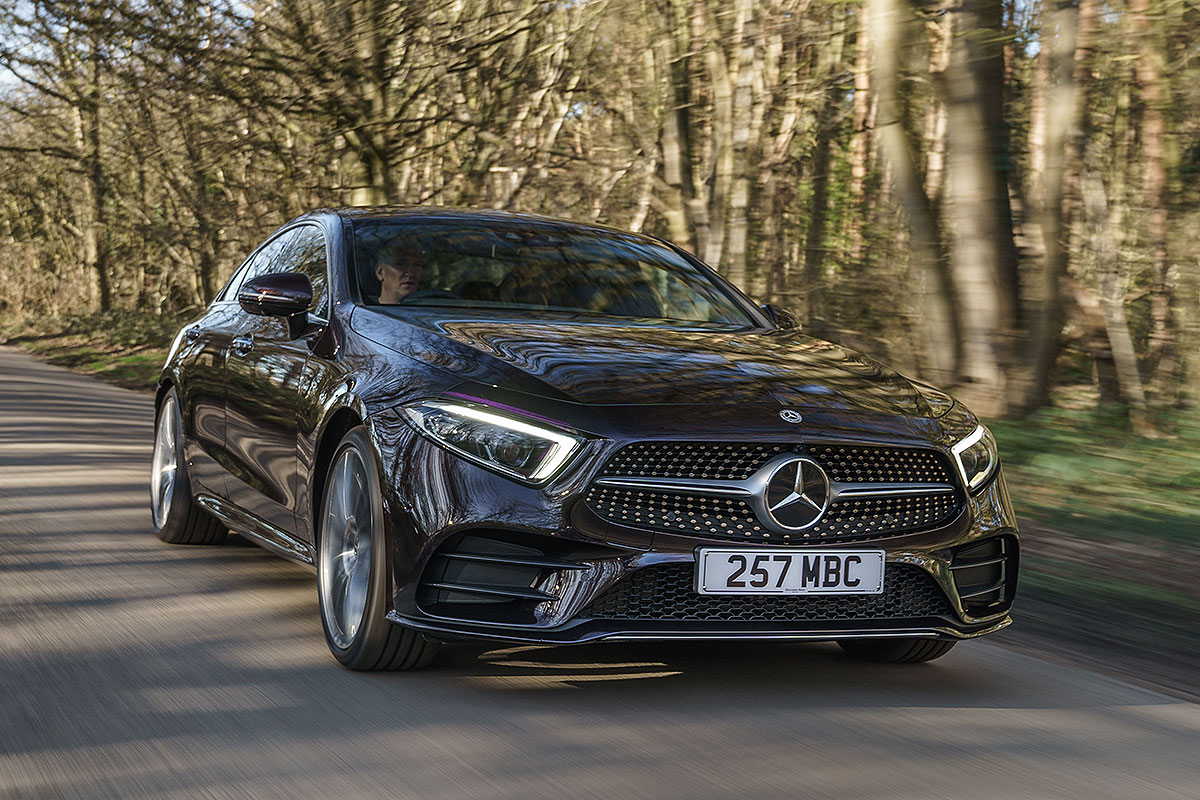
The CarGurus verdict
As long as you don’t mind giving up a modicum of practicality, the CLS is one of the most stylish vehicles in the luxury car market. Used examples still aren’t cheap, and they’re likely to continue gently dropping in value just as the two previous versions of the CLS have done. However, they’re generously equipped whichever version you buy, and not bad to drive either.
If you’re looking for outright performance then you might want to consider the Porsche Panamera or BMW 6 Series GT, as both are just as good from behind the wheel. The Audi A7 Sportback has a slightly more impressive interior, but can’t match the driving experience and general polish of the Mercedes. We think the third-generation CLS ticks enough boxes that it’ll be a very attractive machine for many years to come.
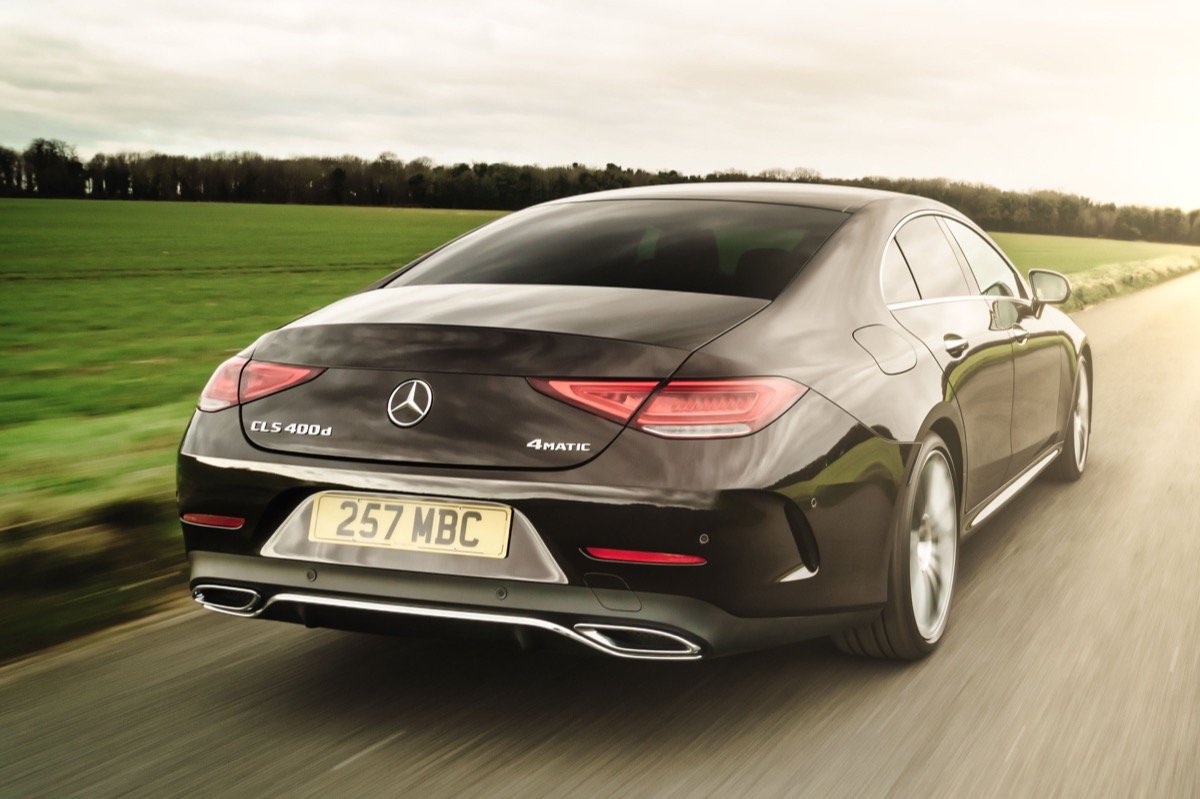
What is the Mercedes-Benz CLS-Class?
The Mercedes-Benz CLS was a more stylish, more luxurious and sportier alternative to the E-Class saloon. Its maker called it a ‘four-door coupe’, which is marketing-speak for a saloon with a sleeker, more stylish silhouette. That extra style comes at a cost, though, both financially and in terms of space, as the low roofline means there is less space inside, particularly for those in the rear seats. With production starting in 2019 and coming to an end without a replacement in 2023, it was only ever sold as a coupe, unlike its predecessor which was available as a CLS Shooting Brake estate.
How practical is it?
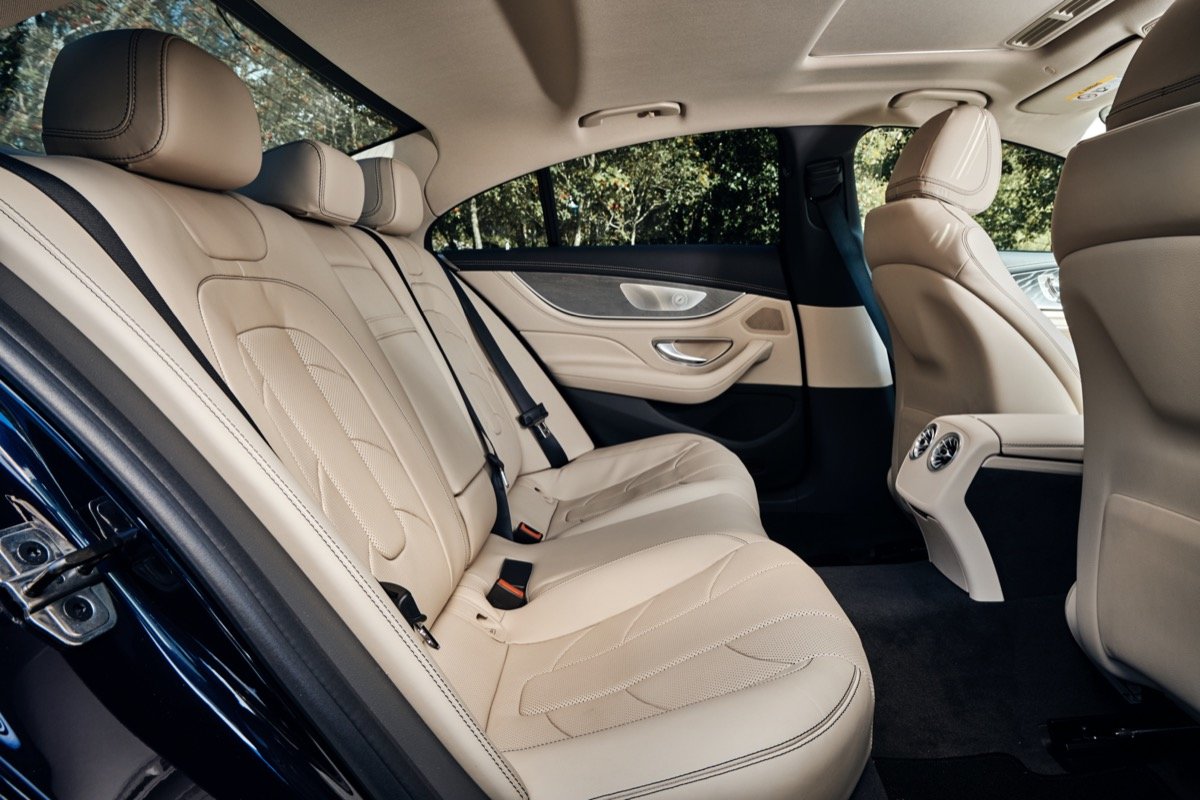
From a practicality point of view, the sweeping roof line means rear headroom is compromised for taller adults, something that is less true of the Audi A7, BMW 6 Series GT and Porsche Panamera, which all competed with the CLS at the time. Still, if you’re not too long of back then you should be comfortable, because there is ample legroom and general stowage space.
One big difference compared to the first- and second-generation CLS models is this third-gen car had three rear seats, whereas the older cars only had two. That’s good news if you need to cram someone else in, but ‘cram’ is the key word here; it’s a little narrow and only really suitable for shorter journeys.
The boot uses a traditional saloon-style tailgate, hinged at the bottom of the rear window, unlike the hatchbacks that its rivals offer. As a result, it’s not as easy to get larger items in, but the space itself is big. Diesel-powered CLS models had 520 litres of boot space and petrol-engined cars had 490 litres. Some specifications also had powered boot lids and all had a remote boot release. The rear seats use a 40:20:40 configuration, should you need to fold them down.
Mercedes offered a number of accessories to boost practicality, which might well be included with a used car – or can be purchased second-hand from online sellers. These included boot storage dividers and tubs, a loading bay lip cover to stop the bumper getting scratched as you pull things out, plus items such as coat hangers that attach to the back of the front-seat headrests.
Although you won’t see many CLS drivers towing a trailer or caravan, if that’s your cup of tea then you’ll be interested to know every third-generation CLS has the same towing ratings. With an unbraked trailer, you can tow 750kg, while a braked trailer can weigh up to 1,900kg. You’ll also be interested to know that a tow bar was never an option, so it’ll need to be an aftermarket solution if you want one.

What's it like to drive?
A car like this has to be comfortable, and the CLS certainly is. Larger protuberances from the road will make themselves known in the cabin, but most of the time you’ll waft along in isolated comfort, especially as all cars have a nine-speed automatic transmission. From behind the wheel it feels like a solid proposition, with a good amount of heft through the steering to give a reassuringly confident drive. It’s certainly more nimble than an Audi A7, and as good as a BMW 6 Series GT.
The engine line-up varied over the five years the third-gen CLS was on sale, but it was a small and relatively simple range. At launch you could have the 350d 4Matic or 400d 4Matic diesels, both of which had all-wheel drive. Alternatively, you could opt for the 450 4Matic or AMG 53 4Matic+ petrols. The diesels could both manage around 48mpg combined, while the petrols returned 36mpg and 31mpg respectively. All of these cars are quick, with the diesels accelerating to 62mph in less than six seconds, and the petrols at least a second swifter.
In 2019, a CLS 300d and a CLS 350 arrived. These were rear-wheel drive rather than all-wheel drive, and the 300d actually replaced the 350d 4Matic. By 2020 the petrol 450 4Matic had left the chat, while the 300d gained the 4Matic all-wheel-drive system. Then, by 2022, only the 450d 4Matic and the 53 4Matic+ AMG models were still available to UK buyers.
When looking at used examples, the diesels are of course the most economical, but 350 petrol would still manage around 37mpg when driven carefully. It was also the lightest third-generation CLS, tipping the scales at 1,775kg, but shared the same towing capacities and could still crack 62mph in exactly six seconds.
The petrol models all feature a mild-hybrid system called EQ Boost, which gathers small amounts of kinetic energy that would otherwise be wasted when cruising or braking. A battery then stores this and redeploys it under acceleration to improve fuel economy. ‘Mild’ seems like the wrong word, as it actually brings an added torque kick of 184lb ft, but it is a mild-hybrid system in the true sense of the term; unlike a full hybrid or a plug-in hybrid, you can’t run on electric power alone or plug the car in to recharge.
Technology, equipment & infotainment
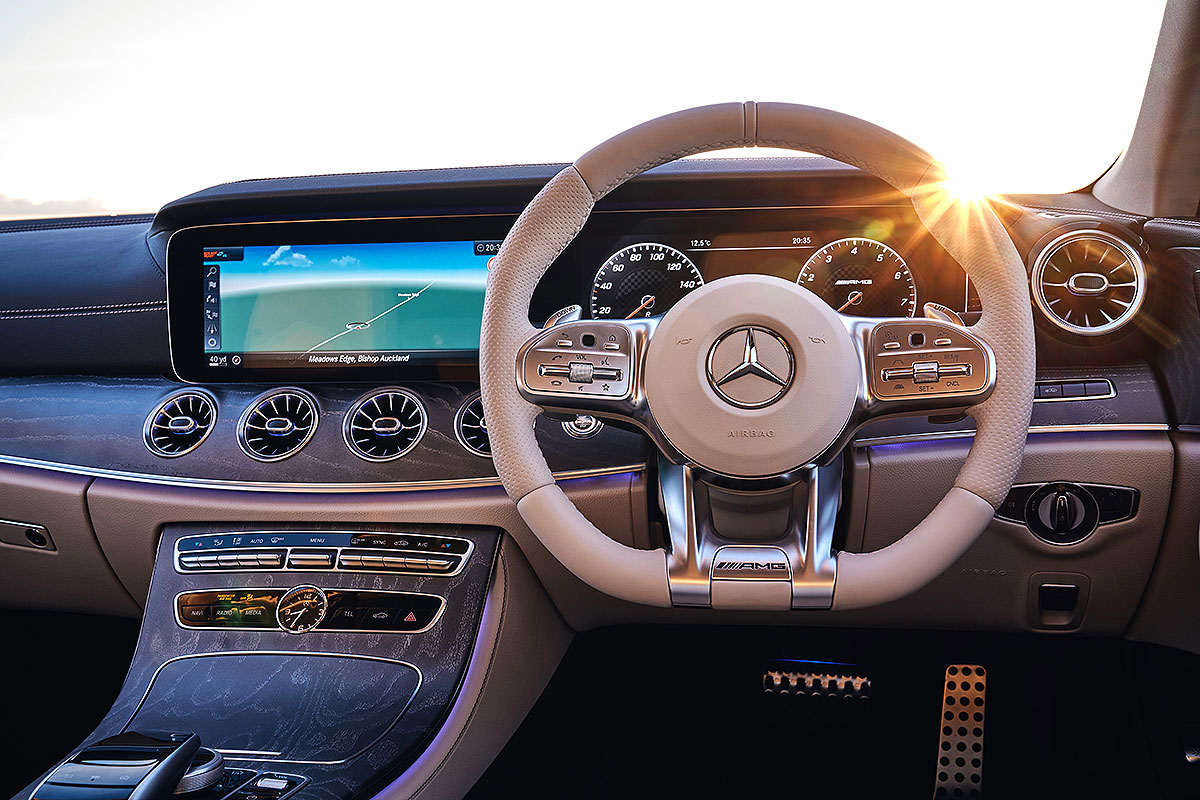
The CLS’s interior is brilliantly made (while not quite as rock-solid as the Audi A7 Sportback) with a snazzy, modern design and mood lighting all around the cabin. Want to adjust the colour? No problem – you can have any in the rainbow. The front seats are super comfortable and very adjustable, while the infotainment system has a huge amount of functions.
Ahead of the driver is a 12.3-inch digital instrument cluster, while in the centre of the dashboard you’ll find a 12.3-inch infotainment screen, controlled via a dial and touchpad on the centre console. You might need to spend some time understanding what it can do, but it does a lot.
It’s worth noting the CLS had a facelift in 2021, when the exterior was given the lightest of light refreshes, the interior treated to a dash more leather and a new steering wheel was fitted. A year earlier in 2020, the car was given a technology update, with adjustments to the driving assistance systems, infotainment system and more. In short, buy from 2020 onwards you’ll have some newer tech, and buy a car from 2021 onwards you’ll have the newer tech and the updated bodywork.
There are two main trim levels, both of which are pretty packed with features. AMG Line has a sporty vibe with big 19-inch wheels and a slightly more aggressive body kit, while AMG Line Premium Plus just adds even more equipment, including 20-inch alloys, a sunroof, upgraded Burmester sound system and extra features on the infotainment system.
What was included in both trims did change year by year ever so slightly, but all models got plenty of kit, with heated leather seats, a DAB radio, lane-keep assist, cruise control, keyless go, a reversing camera, LED lights, electric front seats and more all as standard.
The AMG CLS 53 4Matic+ was topped the range throughout the car’s life, but neither this nor the AMG Line Premium Plus trim had the Driving Assistance Plus package included as standard. Not available on the AMG Line model and an option for both higher spec trims, this brought tech such as blind-spot assist, automatic emergency braking, adaptive cruise control, steering assist and more. If you spot a used example with this package on the options list, you’ll be getting lots of additional safety kit that would have cost the original buyer around £1,700.
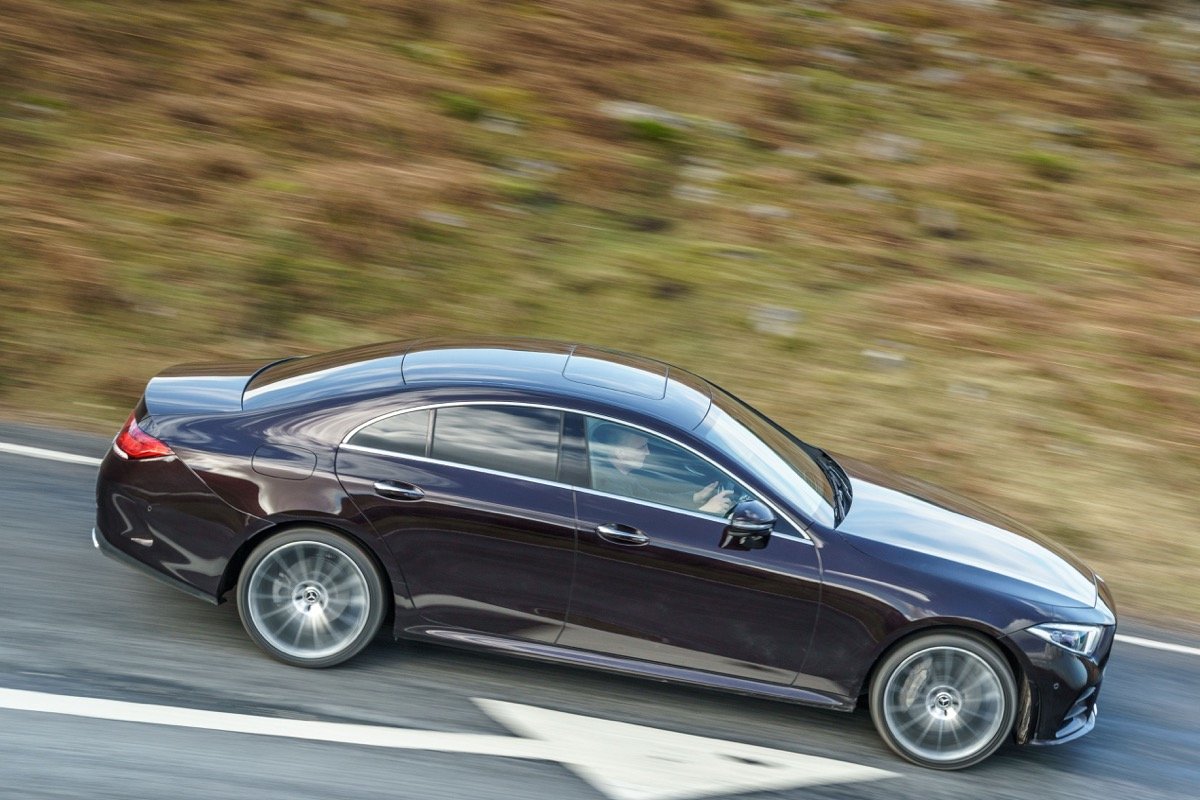
Mercedes-Benz CLS-Class running costs
The CLS is a big and heavy premium car, so it won’t be cheap to buy or run. But that said, it does look like good value compared to its competitors, especially the CLS 300d.
Non-4Matic cars will get better fuel economy, not just because they’re carrying less weight without the all-wheel drive system, but also because they put out less power. That said, the all-wheel-drive 400d diesel will still manage better fuel economy than the rear-wheel-drive CLS 350 petrol.
Service intervals vary depending on how you use the car; a message will pop up on the dash telling you when one is due. Roughly speaking, you can expect one every 12 months or 10,000 miles.
Mercedes offers a service plan called ServiceCare, which covers the cost of parts and labour for up to four services, and also includes items such as brake fluid, spark plugs, air filters, fuel filters and screen wash. Prices vary depending on the age of the car and how many services you want, but you can pay monthly with prices starting at around £40. This plan is transferable if you sell the car; if you’re buying a used one, see if it’s still valid.
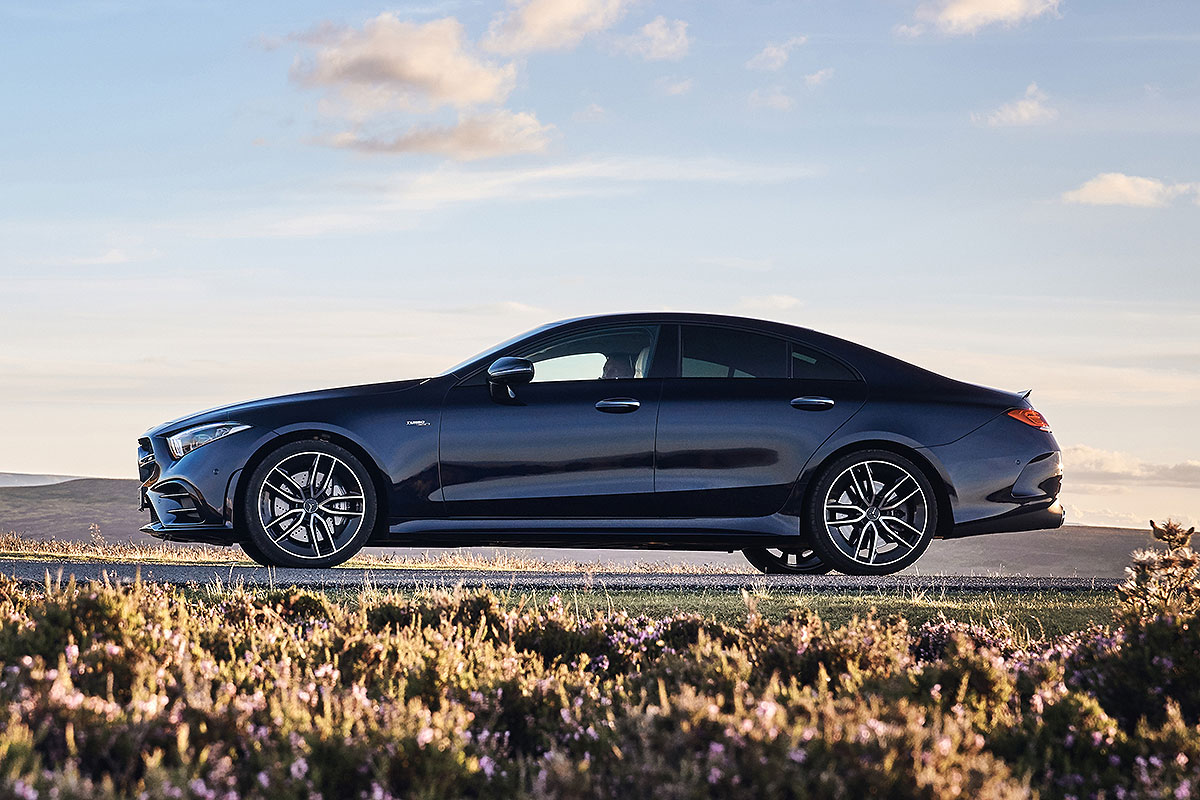
Mercedes-Benz CLS-Class reliability
Mercedes-Benz as a brand doesn’t have a great reputation for reliability, and often sits at or near the bottom of independent dependability studies. If it’s any consolation though, so do arch-rivals Audi, Porsche and BMW.
The good news is that while there isn’t much reliability data on the CLS, the generation of E-Class on which this CLS is based has fared quite well. The What Car? Reliability Survey, for example, noted the E-Class finished in fourth place out of 23 vehicles in the executive car class, with a rating of 97.3 percent. Some peace of mind can also be found with Approved Used cars from Mercedes-Benz. These come with a one-year, unlimited-mileage warranty.
- This third generation of CLS was available only as a saloon, while previous versions were offered in estate form, known as the CLS Shooting Brake. The Porsche Panamera Sport Turismo from the same era is the only estate alternative, as the other big rivals – the Audi A7 and BMW 6 Series Gran Turismo – didn’t offer an estate.
- The CLS was loaded with all sorts of technology, and it wasn’t a cheap car to buy new, which makes it surprising that the entry-level AMG Line never featured Apple CarPlay and Android Auto for smartphone connectivity as standard. If you want that, you’ll need to go for an AMG Premium Plus model.
- The CLS has some very clever autonomous driving features that, in certain conditions, will take over braking, acceleration and steering for you, and even change speeds automatically if the speed limit changes. It’s very impressive and works well, especially on long motorway drives, but it was optional when new rather than included as standard. If you want those features, and you’re buying a used CLS, make sure it has the Driving Assistance Plus package included. Note: it wasn’t available on AMG Line models.
- If you want the most affordable: Go for the diesel-powered CLS 300d AMG Line. This was the most affordable CLS when new, and the diesel will also achieve the best fuel economy, so it’ll keep your running costs down as well.
- If you want absolute performance: The Mercedes-AMG CLS 53 4Matic+ is the one to go for. The big six-cylinder engine (no, it’s not a V8) will power what is a large and heavy car from standstill to 62mph in just 4.5 seconds. It also has a faster nine-speed automatic gearbox than the rest of the CLS range.
- If you live in a more remote or mountainous area: You might want to consider one of the all-wheel-drive models. Look for ‘4Matic’ on the spec sheet, something that was offered for both diesel and petrol powertrains at one point or another.
- If safety is a priority: The Driving Assistance Plus package, as well as the autonomous driving features, also includes extra safety equipment, including a blind spot warning system and Evasive Steering Assist, which helps you keep control while making unexpected, sudden manoeuvres.


